
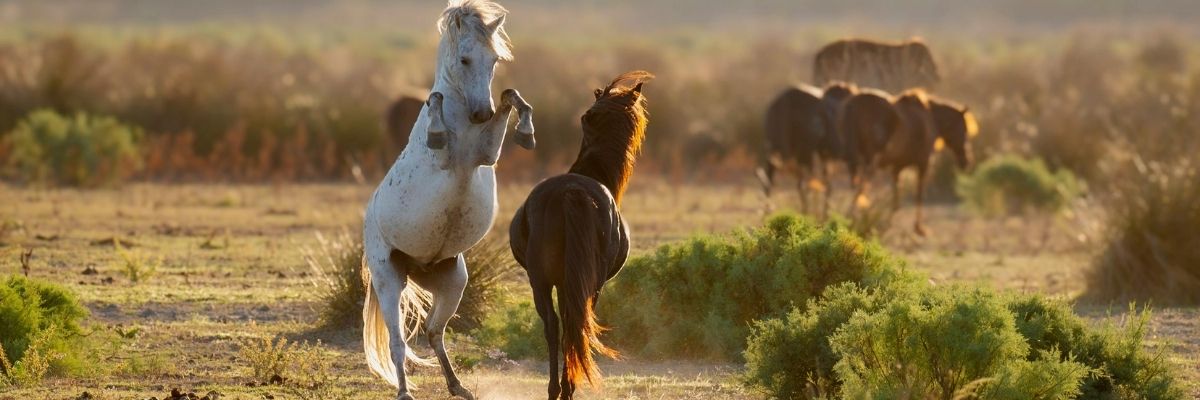
Imagine a city where concrete gives way to green, where birdsong drowns out traffic, and where the hum of nature replaces the constant drone of human activity. Sounds like a fantasy? Not necessarily. The rewilding movement is gaining momentum, offering a radical vision for our urban spaces: a world where cities become havens for biodiversity, resilience, and human well-being. It’s about more than just planting trees; it’s about giving nature the space and opportunity to reclaim its rightful place, even in the most urbanized environments.
What Exactly Is Urban Rewilding, Anyway?
Rewilding, in its broadest sense, is about restoring ecosystems to their natural state, allowing natural processes to shape the landscape. In an urban context, this means shifting away from manicured parks and highly managed green spaces towards more natural, self-sustaining ecosystems. It’s about creating space for native plants and animals to thrive, even within the built environment. Think of it as giving nature a helping hand, then stepping back and letting it do its thing.
But urban rewilding isn’t about completely dismantling cities. It’s about finding creative ways to integrate nature into the existing urban fabric. It’s about recognizing that cities are not separate from nature, but rather part of a larger ecological system.
Why Should We Even Bother? The Benefits of a Wilder City
The benefits of urban rewilding are far-reaching and impact everything from our physical and mental health to the resilience of our cities in the face of climate change.
- Boosting Biodiversity: Cities can actually be biodiversity hotspots, providing refuge for species struggling in increasingly fragmented landscapes. Rewilding can enhance this by creating diverse habitats that support a wider range of plants, animals, and insects.
- Improving Air and Water Quality: Plants, especially trees, act as natural filters, absorbing pollutants from the air and water. Rewilding initiatives can significantly improve air and water quality, creating a healthier environment for everyone.
- Enhancing Climate Resilience: Natural landscapes are more resilient to extreme weather events like floods and heatwaves. Rewilding can help cities adapt to climate change by creating natural buffers and reducing the urban heat island effect.
- Promoting Mental and Physical Well-being: Studies have shown that access to nature can reduce stress, improve mood, and boost overall well-being. Rewilding brings nature closer to people, providing opportunities for recreation, relaxation, and connection with the natural world.
- Creating a Sense of Place: Rewilding can help to create a stronger sense of place by connecting people to the local ecology and history of their city. It can foster a sense of stewardship and encourage people to care for their environment.
Okay, Sounds Good, But How Do We Actually Do It? Practical Steps to Rewild Your City
Rewilding isn’t a one-size-fits-all solution. The specific strategies will vary depending on the unique characteristics of each city. However, here are some common approaches:
- Daylighting Streams: Uncovering buried streams and allowing them to flow freely through the city. This can create valuable habitat, improve water quality, and reduce flood risk.
- Creating Wildlife Corridors: Connecting fragmented green spaces with corridors of vegetation. This allows animals to move freely between habitats, promoting genetic diversity and reducing the risk of extinction. Think of it as building highways for wildlife.
- Planting Native Species: Replacing non-native plants with native species that are adapted to the local climate and soil conditions. This provides food and shelter for native animals and reduces the need for pesticides and fertilizers. Native plants are the key to a thriving ecosystem.
- Reducing Mowing and Herbicide Use: Allowing grass to grow longer and reducing the use of herbicides. This creates habitat for insects and other small animals, and reduces the amount of chemicals entering the environment.
- Creating Green Roofs and Walls: Covering rooftops and walls with vegetation. This can help to reduce the urban heat island effect, improve air quality, and provide habitat for birds and insects.
- Transforming Vacant Lots: Turning vacant lots into community gardens, urban forests, or pocket parks. This can create valuable green space in underserved communities.
- Introducing Grazing Animals (Where Appropriate): In some cases, introducing grazing animals like sheep or goats can help to manage vegetation and create more diverse habitats. This is especially effective in areas with invasive species.
Rewilding in Action: Inspiring Examples from Around the World
The rewilding movement is gaining traction around the globe, with cities large and small implementing innovative projects to bring nature back into the urban environment.
- Cheonggyecheon Stream Restoration (Seoul, South Korea): This project involved removing an elevated highway and restoring a buried stream. The result is a vibrant green space that has significantly improved air quality and biodiversity in the city.
- High Line (New York City, USA): This elevated park was built on a former railway line. It’s a stunning example of how to repurpose industrial infrastructure and create a unique green space.
- Bosco Verticale (Milan, Italy): These vertical forests are two residential towers covered in trees and shrubs. They provide habitat for birds and insects, and help to reduce air pollution.
- Kensington Roof Gardens (London, UK): While now closed, these gardens demonstrated the potential to create beautiful and biodiverse green spaces on rooftops. They showcased a variety of habitats, from Spanish gardens to woodland areas.
- Emscher Landscape Park (Ruhr Area, Germany): This project transformed a former industrial area into a vast parkland, with a focus on ecological restoration and sustainable development.
But Isn’t Rewilding…Messy? Addressing Common Concerns
One of the biggest challenges to urban rewilding is overcoming the perception that it’s messy or unkempt. Many people are used to highly manicured landscapes and associate wilder areas with neglect. However, it’s important to remember that rewilding is not about letting things go to seed. It’s about carefully managing ecosystems to promote biodiversity and resilience.
Another concern is the potential for increased conflict between humans and wildlife. However, with careful planning and management, these conflicts can be minimized. For example, educating people about how to interact with wildlife and providing safe passage for animals across roads can help to reduce the risk of collisions.
Getting Involved: How You Can Help Rewild Your Community
Rewilding is not just something that governments and organizations can do. Individuals can also play a role in bringing nature back to their communities.
- Plant Native Plants in Your Garden: Choose native species that are adapted to your local climate and soil conditions.
- Reduce Your Lawn: Consider replacing some of your lawn with native plants or a wildflower meadow.
- Create a Wildlife Garden: Provide food, water, and shelter for wildlife in your garden.
- Support Local Rewilding Initiatives: Volunteer your time or donate to organizations that are working to rewild your community.
- Advocate for Rewilding Policies: Contact your elected officials and let them know that you support rewilding initiatives.
Frequently Asked Questions
- What is the main goal of urban rewilding? The primary goal is to restore and enhance natural ecosystems within cities, increasing biodiversity and resilience.
- Is rewilding expensive? Initial investment may be required, but long-term, rewilding can reduce maintenance costs compared to traditional landscaping.
- Does rewilding mean letting everything grow wild and unmanaged? No, rewilding involves careful planning and management to promote biodiversity and prevent invasive species from taking over.
- How does rewilding benefit people? Rewilding improves air and water quality, reduces stress, and provides opportunities for recreation and connection with nature.
- Can rewilding help with climate change? Yes, by increasing carbon sequestration, reducing the urban heat island effect, and improving resilience to extreme weather events.
Conclusion
The rewilding movement offers a powerful vision for the future of our cities: a future where nature and urban life coexist harmoniously. By embracing rewilding principles, we can create cities that are not only more beautiful and enjoyable to live in, but also more resilient, sustainable, and beneficial for both people and the planet. Start small, think big, and help bring the wild back to your city.