
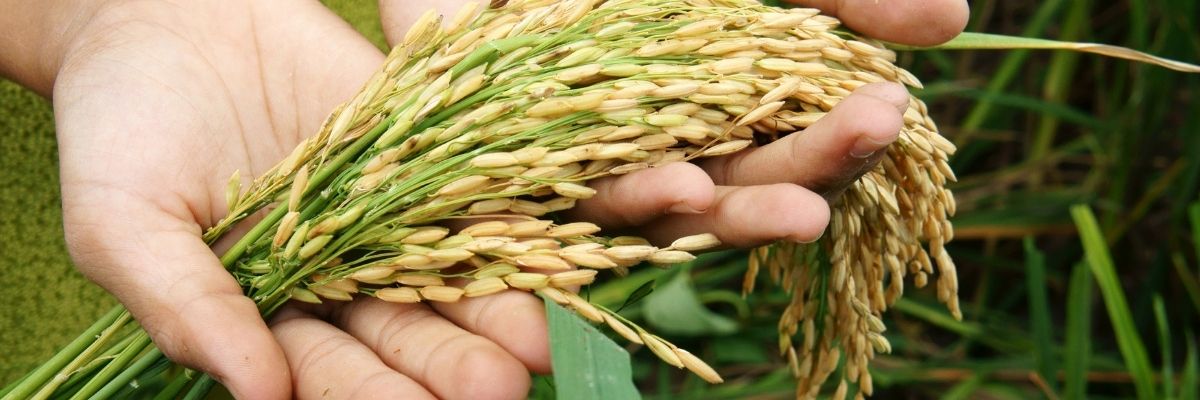
Imagine waking up every day unsure if you’ll have enough to eat. For millions around the world, this isn’t a hypothetical scenario; it’s a harsh reality. Food security, the state of having reliable access to sufficient, affordable, and nutritious food, is a fundamental human right, yet it remains tragically out of reach for a significant portion of the global population. Understanding who is at risk and why is the first crucial step towards building a more equitable and sustainable food system for everyone.
What Exactly Is Food Security? Let’s Break It Down
Okay, so we’ve thrown around the term “food security,” but what does it really mean? It’s not just about having some food; it’s about having the right food, consistently. The Food and Agriculture Organization (FAO) of the United Nations defines food security as existing when all people, at all times, have physical, social, and economic access to sufficient, safe, and nutritious food that meets their dietary needs and food preferences for an active and healthy life. In simpler terms, it boils down to these four key pillars:
- Availability: Is there enough food being produced and distributed in a particular area?
- Access: Can people actually get the food that’s available? This includes physical access (like having stores nearby) and economic access (being able to afford it).
- Utilization: Is the food being consumed safely and effectively? This involves having access to clean water, proper sanitation, and knowledge about nutrition.
- Stability: Is access to food reliable over time? Are there seasonal fluctuations or sudden shocks (like droughts or economic crises) that could disrupt the food supply?
When any of these pillars weaken, food security crumbles, leaving individuals and communities vulnerable.
Who’s Most Vulnerable? The Faces of Food Insecurity
While food insecurity can affect anyone, some groups are disproportionately at risk. Understanding these vulnerabilities is essential for targeting aid and developing effective solutions. Here are some of the most at-risk populations:
- People Living in Poverty: This might seem obvious, but it’s the single biggest driver of food insecurity. When income is limited, food becomes a luxury, and families are forced to make impossible choices between buying food, medicine, or paying rent.
- Smallholder Farmers: Ironically, the very people who produce our food are often among the most food insecure. They are highly vulnerable to climate change, price fluctuations, and lack of access to resources like credit and technology.
- Women and Children: In many societies, women and children face discrimination and limited access to resources, making them particularly vulnerable to malnutrition and food insecurity. Pregnant and breastfeeding women have increased nutritional needs, making them even more susceptible.
- Refugees and Internally Displaced Persons (IDPs): Forced displacement due to conflict, natural disasters, or persecution disrupts livelihoods and access to food, creating acute food insecurity situations.
- People Living in Conflict Zones: Armed conflict disrupts agricultural production, destroys infrastructure, and hinders humanitarian access, leading to widespread food shortages and famine.
- Indigenous Communities: Indigenous populations often face historical marginalization, land dispossession, and limited access to resources, making them particularly vulnerable to food insecurity and malnutrition.
- People with Disabilities: Disabilities can limit access to education, employment, and resources, increasing the risk of poverty and food insecurity.
- Urban Poor: While often overlooked, urban populations living in slums and informal settlements face food insecurity due to limited access to affordable and nutritious food, coupled with poor sanitation and hygiene.
It’s important to remember that these categories often overlap. For example, a woman living in poverty in a conflict zone faces a significantly higher risk of food insecurity than someone in a more stable environment.
Why Are These Groups at Risk? Unpacking the Root Causes
So, we know who is at risk, but why? The causes of food insecurity are complex and interconnected, ranging from individual circumstances to global systemic issues. Here’s a look at some of the key drivers:
- Poverty: As mentioned earlier, poverty is the most significant underlying cause. Lack of income limits access to food, healthcare, and education, creating a vicious cycle of deprivation.
- Climate Change: Extreme weather events like droughts, floods, and heatwaves are becoming more frequent and intense, devastating crops, livestock, and fisheries, and disrupting food production and supply chains. Think about the impact of a prolonged drought on a farmer’s ability to grow food and earn a living.
- Conflict and Instability: War and civil unrest disrupt agricultural production, displace populations, and hinder humanitarian access, leading to widespread food shortages and famine.
- Economic Shocks: Global economic crises, rising food prices, and unemployment can significantly reduce people’s purchasing power and access to food.
- Inequality: Unequal access to resources, land, and opportunities exacerbates food insecurity among marginalized groups.
- Lack of Infrastructure: Poor transportation networks, storage facilities, and market access hinder the efficient distribution of food, especially in rural areas.
- Poor Governance and Corruption: Weak governance, corruption, and lack of accountability can undermine food security programs and policies.
- Environmental Degradation: Deforestation, soil erosion, and water scarcity degrade agricultural land and reduce food production capacity.
- Lack of Education and Information: Limited access to education and information about nutrition and sustainable farming practices can contribute to food insecurity.
- Globalization and Trade Policies: Unfair trade practices and policies can disadvantage smallholder farmers in developing countries, making them more vulnerable to food insecurity.
It’s crucial to understand that these factors often interact and reinforce each other. For example, climate change can exacerbate poverty, leading to increased conflict over scarce resources, which further disrupts food production and distribution.
What Can We Do About It? Building a More Food-Secure World
Addressing food insecurity requires a multifaceted approach that tackles both the immediate symptoms and the underlying causes. Here are some key strategies:
- Invest in Sustainable Agriculture: Supporting smallholder farmers with access to improved seeds, fertilizers, irrigation, and technology can increase food production and resilience to climate change. Promoting agroecological practices that conserve soil and water resources is also crucial.
- Strengthen Social Safety Nets: Providing cash transfers, food assistance, and school feeding programs can help vulnerable populations meet their immediate food needs and improve their nutritional status.
- Improve Infrastructure: Investing in transportation networks, storage facilities, and market access can facilitate the efficient distribution of food and reduce post-harvest losses.
- Promote Economic Growth and Employment: Creating jobs and economic opportunities can increase household incomes and improve access to food.
- Empower Women: Providing women with access to education, land, credit, and decision-making power can improve their food security and nutritional status, as well as that of their families.
- Address Climate Change: Reducing greenhouse gas emissions and adapting to the impacts of climate change are essential for protecting food production and ensuring long-term food security.
- Promote Peace and Stability: Resolving conflicts and promoting good governance are crucial for creating stable environments where food production and distribution can thrive.
- Improve Nutrition Education: Educating people about healthy diets and food preparation can improve their nutritional status and reduce malnutrition.
- Reduce Food Waste: Reducing food waste at all stages of the food supply chain, from production to consumption, can increase the amount of food available for human consumption.
- Strengthen Global Cooperation: International cooperation and partnerships are essential for addressing global food security challenges and providing assistance to countries in need.
Ultimately, building a more food-secure world requires a collective effort from governments, international organizations, civil society, and the private sector. It demands a commitment to addressing the root causes of food insecurity and creating a more equitable and sustainable food system for all.
Frequently Asked Questions
- What’s the difference between food security and food sovereignty? Food security focuses on access to sufficient food, while food sovereignty emphasizes the right of people to define their own food and agricultural policies.
- What is malnutrition? Malnutrition is a condition that results from deficiencies, excesses, or imbalances in a person’s intake of energy and/or nutrients.
- How does climate change affect food security? Climate change leads to extreme weather events that disrupt agricultural production, reduce crop yields, and increase food prices.
- What can I do to help improve food security? You can support organizations working to combat hunger, reduce food waste, and advocate for policies that promote sustainable agriculture.
- Is food insecurity only a problem in developing countries? No, food insecurity exists in developed countries as well, often affecting low-income communities and marginalized populations.
The Takeaway
Food security is a complex challenge, but it’s not insurmountable. By understanding who is at risk, why they are vulnerable, and what actions we can take, we can work towards a future where everyone has access to the nutritious food they need to thrive. Let’s start by educating ourselves and supporting initiatives that promote sustainable food systems and equitable access to resources.