
Are Eco-Cities the Future of Urban Living?
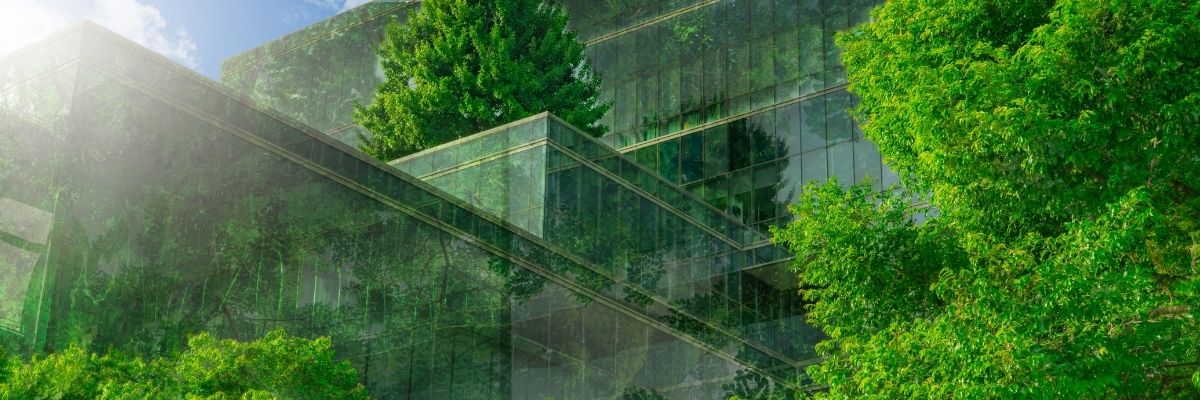
Imagine cities buzzing with life, yet harmonizing with nature. Buildings are draped in greenery, public transport is seamless and emission-free, and energy flows from renewable sources. It’s not a futuristic fantasy; it’s the vision of eco-cities – a growing movement to create urban environments that are both sustainable and livable. But can these green utopias truly deliver on their promise and become the norm for how we live?
What Exactly Is an Eco-City Anyway? Let’s Break it Down
The term “eco-city” gets thrown around a lot, but what does it actually mean? It’s more than just planting a few trees and slapping on some solar panels. Think of it as a holistic approach to urban planning, designed from the ground up (or retrofitted!) to minimize environmental impact and maximize the well-being of its residents.
Here are some key characteristics that define an eco-city
- Sustainability at its Core: This is the foundation. Eco-cities prioritize resource efficiency, aiming for a closed-loop system where waste is minimized and resources are reused.
- Renewable Energy is King: Solar, wind, geothermal – eco-cities harness the power of nature to meet their energy needs, reducing reliance on fossil fuels and lowering carbon emissions.
- Green Transportation Rules: Cars take a backseat. Eco-cities prioritize walking, cycling, and efficient public transport systems that are clean and accessible to everyone.
- Green Buildings are the Norm: Buildings are designed to be energy-efficient, using sustainable materials and incorporating green spaces like rooftop gardens and vertical farms.
- Waste Reduction and Recycling: Eco-cities strive for zero waste, implementing comprehensive recycling programs and promoting circular economy principles.
- Water Conservation is Key: Water is a precious resource. Eco-cities employ strategies like rainwater harvesting, greywater recycling, and efficient irrigation systems to conserve water.
- Preserving Biodiversity: Eco-cities integrate green spaces and protect natural habitats within and around the urban environment, supporting local biodiversity.
- Community Focus: Eco-cities are designed to be livable and inclusive, with a focus on community engagement, social equity, and access to essential services.
- Smart Technology Integration: Using technology to optimize resource management, improve efficiency, and enhance the quality of life for residents.
Why All the Fuss About Eco-Cities? The Big Picture
Why are so many people excited about eco-cities? It boils down to the urgent need for sustainable urban development. Here’s the deal:
- Combating Climate Change: Cities are major contributors to greenhouse gas emissions. Eco-cities offer a pathway to reduce our carbon footprint and mitigate the impacts of climate change.
- Protecting Resources: With a growing global population, resources are becoming increasingly scarce. Eco-cities promote resource efficiency and conservation, ensuring a sustainable future for generations to come.
- Improving Public Health: Air pollution, noise pollution, and lack of green spaces can negatively impact public health. Eco-cities create healthier living environments with clean air, walkable streets, and access to nature.
- Boosting Economic Growth: Sustainable technologies and green industries create new jobs and economic opportunities. Eco-cities can be engines of green economic growth.
- Enhancing Quality of Life: Eco-cities are designed to be livable, vibrant, and inclusive communities. They offer a higher quality of life with access to amenities, green spaces, and social connections.
Real-World Examples: Eco-Cities in Action (and Lessons Learned!)
The idea of eco-cities is fantastic, but how does it translate into reality? Let’s take a look at some examples around the globe:
- Freiburg, Germany: Often cited as a pioneer in sustainable urban development, Freiburg boasts extensive solar energy infrastructure, efficient public transport, and a strong emphasis on cycling and pedestrian-friendly streets. Its Vauban district is a car-free model for sustainable living. Lesson Learned: Community involvement and strong political will are crucial for success.
- Masdar City, Abu Dhabi, UAE: Designed as a zero-carbon, zero-waste city, Masdar City aims to be a hub for clean technology innovation. While it hasn’t fully achieved its ambitious goals, it serves as a valuable experiment in sustainable urban design. Lesson Learned: Overly ambitious goals and reliance on unproven technologies can lead to challenges.
- Songdo, South Korea: Built from scratch on reclaimed land, Songdo is a smart city that incorporates advanced technology to manage resources and improve efficiency. It features extensive green spaces and a focus on public transport. Lesson Learned: A top-down approach to planning can sometimes neglect the needs of local communities.
- Curitiba, Brazil: This city has been a leader in sustainable urban planning for decades, with innovative solutions for public transport, waste management, and green space preservation. Lesson Learned: Incremental changes and long-term vision can have a significant impact on sustainability.
Challenges on the Road to Eco-City Nirvana
While the concept of eco-cities is inspiring, there are significant hurdles to overcome:
- Cost: Building or retrofitting cities to meet eco-city standards can be expensive, requiring significant investment in infrastructure, technology, and materials.
- Political Will: Implementing sustainable urban development requires strong political commitment and support from policymakers.
- Community Acceptance: Residents need to be on board with the changes, and their needs and concerns must be addressed.
- Technological Limitations: Some of the technologies needed to achieve eco-city goals are still under development or are not yet cost-effective.
- Scalability: Replicating successful eco-city models in different contexts can be challenging, as each city has its unique characteristics and constraints.
- Greenwashing: The term “eco-city” can be misused for marketing purposes, with projects that don’t truly meet sustainability standards.
So, Are Eco-Cities Really the Answer?
The reality is, there’s no one-size-fits-all solution. Eco-cities represent a powerful vision for the future of urban living, but they’re not a magic bullet. They require careful planning, strong political will, community engagement, and a willingness to adapt and learn from experience.
The most likely scenario is a hybrid approach, where existing cities gradually incorporate eco-city principles and technologies. Retrofitting existing buildings, improving public transport, promoting cycling and walking, and investing in renewable energy are all steps in the right direction.
What Can You Do to Support the Eco-City Movement?
Even if you don’t live in a designated “eco-city,” you can still contribute to a more sustainable urban future. Here are some ideas:
- Support Sustainable Businesses: Choose businesses that prioritize sustainability and ethical practices.
- Reduce Your Carbon Footprint: Make conscious choices to reduce your energy consumption, water usage, and waste generation.
- Advocate for Change: Contact your elected officials and let them know you support sustainable urban development policies.
- Get Involved in Your Community: Participate in local initiatives that promote sustainability and environmental stewardship.
- Educate Yourself and Others: Learn more about eco-cities and share your knowledge with friends, family, and colleagues.
Frequently Asked Questions (Eco-City Edition!)
- What makes a city an “eco-city?” An eco-city is designed to minimize environmental impact through renewable energy, green transport, and resource efficiency.
- Are eco-cities more expensive to build? Initially, yes, due to advanced technologies and sustainable materials, but long-term savings can offset these costs.
- Can existing cities become eco-cities? Absolutely! Retrofitting buildings, improving public transport, and promoting green spaces are key steps.
- Are eco-cities only for rich countries? No! The principles can be adapted to suit different economic contexts and local needs.
- What are some of the biggest challenges for eco-cities? Cost, political will, community acceptance, and technological limitations are significant hurdles.
The Future Looks… Green?
Eco-cities are not just a pipe dream; they are a tangible and increasingly vital part of the urban landscape. While challenges remain, the potential benefits – a healthier planet, thriving communities, and a more sustainable future – are too significant to ignore. Let’s work together to make green living the standard for cities worldwide.