
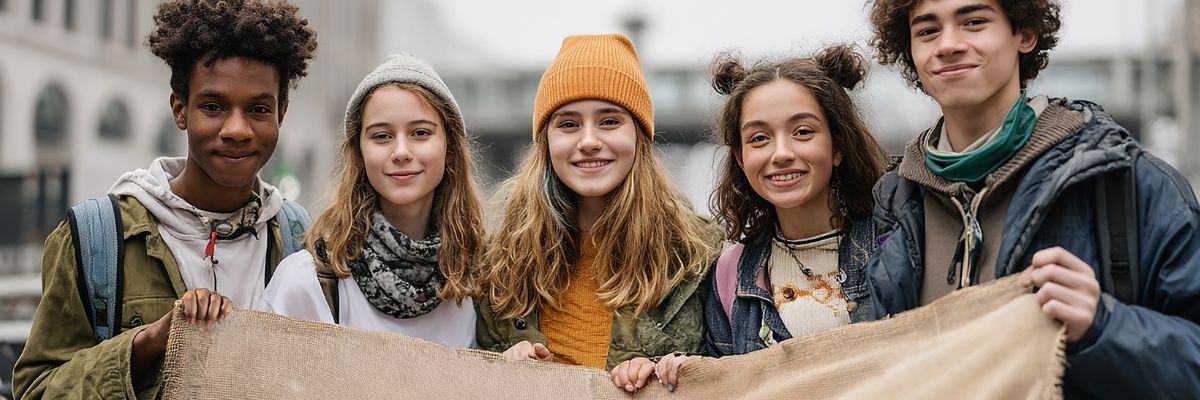
Imagine a world where raising your voice against injustice is met not with dialogue, but with suppression. Where gathering with like-minded individuals to advocate for change becomes a risky endeavor. This isn’t a dystopian fantasy; it’s a reality that many fear is creeping closer as the rights to protest and assemble, fundamental pillars of democracy, face increasing challenges around the globe. These rights are crucial for holding power accountable and shaping a more just society, making their potential erosion a matter of serious concern for us all.
Why Should We Even Care About Protesting Anyway?
The right to protest and assemble isn’t just some abstract legal concept; it’s the lifeblood of a healthy democracy. Think about the Civil Rights Movement, the anti-war demonstrations of the 60s, or the more recent movements like Black Lives Matter and the Women’s March. These movements, fueled by people exercising their right to speak out and gather, have driven significant social and political change.
- Holding Power Accountable: Protests give ordinary citizens a way to directly challenge government policies and corporate actions they believe are harmful.
- Amplifying Marginalized Voices: They provide a platform for those whose voices are often ignored or silenced by mainstream media and political institutions.
- Driving Social Progress: History is full of examples where protests have led to positive changes in laws, policies, and societal attitudes.
- Promoting Dialogue: Even when protests are met with resistance, they can spark important conversations and raise awareness about critical issues.
Without the ability to freely express dissent and organize collectively, our democracies would be far less responsive to the needs and concerns of the people they are supposed to serve.
So, What’s Actually Threatening These Rights?
Unfortunately, the right to protest and assemble isn’t always respected in practice. A variety of factors are contributing to the growing sense that these rights are under threat:
- Restrictive Laws and Regulations: Many countries have enacted laws that place significant restrictions on protests, such as requiring permits that are difficult to obtain, limiting the size or location of demonstrations, or imposing harsh penalties for violations.
- Excessive Use of Force by Law Enforcement: Police brutality against protesters is a recurring problem in many parts of the world. This can include the use of tear gas, rubber bullets, pepper spray, and even physical violence to disperse peaceful gatherings.
- Surveillance and Intimidation: Governments and corporations are increasingly using surveillance technologies to monitor protesters, track their movements, and identify organizers. This can have a chilling effect on participation in protests, as people fear being targeted or harassed.
- Criminalization of Dissent: In some cases, protesters are being arrested and charged with crimes for simply exercising their right to free expression. This can include charges of trespassing, disturbing the peace, or even terrorism.
- Online Censorship and Disinformation: The internet has become a crucial tool for organizing and mobilizing protests. However, governments and social media companies are increasingly censoring online content and spreading disinformation to suppress dissent.
These threats aren’t just theoretical; they are having a real impact on the ability of people to exercise their rights to protest and assemble.
Are We Seeing This Everywhere, or Just in Some Places?
The erosion of protest rights isn’t confined to any particular region or political system. While the specific challenges may vary from country to country, the trend is global.
- Authoritarian Regimes: In countries with authoritarian governments, protests are often met with brutal repression. Activists are routinely arrested, imprisoned, and even killed for speaking out against the regime.
- Democracies: Even in established democracies, the right to protest is facing increasing challenges. Governments are enacting laws that restrict protests, police are using excessive force against demonstrators, and surveillance technologies are being used to monitor activists.
- Online Spaces: The internet has become a battleground for freedom of expression. Governments are increasingly censoring online content, spreading disinformation, and using surveillance technologies to monitor online activity.
This global trend is a cause for concern, as it suggests that the right to protest and assemble is under pressure from a variety of sources, regardless of the political system in place.
What Can We Do to Protect Our Right to Protest?
Protecting the right to protest and assemble requires a multi-faceted approach, involving individuals, organizations, and governments. Here are some steps that can be taken:
- Advocate for Legal Reforms: We need to advocate for laws that protect the right to protest and assembly, while also challenging laws that restrict these rights. This includes working with lawmakers, filing lawsuits, and raising public awareness about the issue.
- Support Organizations Working on the Front Lines: There are many organizations around the world that are working to protect the right to protest and assemble. Supporting these organizations through donations, volunteer work, and advocacy can make a real difference.
- Demand Accountability for Police Brutality: We need to hold law enforcement accountable for the excessive use of force against protesters. This includes demanding investigations, prosecutions, and policy changes to prevent future abuses.
- Promote Media Literacy: We need to be critical consumers of information and be aware of the ways in which disinformation can be used to suppress dissent. This includes learning how to identify fake news, fact-checking claims, and supporting independent journalism.
- Participate in Protests and Demonstrations: One of the most effective ways to protect the right to protest is to exercise it. By participating in protests and demonstrations, we can show that we value this right and that we are willing to defend it.
- Use Technology Responsibly: Be aware of surveillance risks when organizing and participating in protests. Use encrypted communication tools and avoid sharing sensitive information on social media.
By taking these steps, we can help to ensure that the right to protest and assemble remains a vibrant and effective tool for promoting social and political change.
Frequently Asked Questions
What is the right to protest? It’s the freedom to publicly express opinions on social or political issues, typically through marches, rallies, and demonstrations. It’s a fundamental right in many democracies.
Is there a limit to the right to protest? Yes, protests must generally be peaceful and not incite violence or infringe on the rights of others. Restrictions must be reasonable and narrowly tailored.
Can the government shut down a protest? Only if it poses an imminent threat to public safety or order, and even then, the restrictions must be the least restrictive means possible.
What is “lawful assembly”? It refers to a gathering of people for a legal and peaceful purpose, usually to express their views or advocate for a cause.
What are my rights if I am arrested at a protest? You have the right to remain silent, the right to an attorney, and the right to be informed of the charges against you.
The Takeaway?
The right to protest and assemble is facing unprecedented challenges, but it’s not too late to act. By staying informed, supporting organizations fighting for these rights, and actively participating in civic life, we can help ensure that these fundamental freedoms are protected for future generations.