
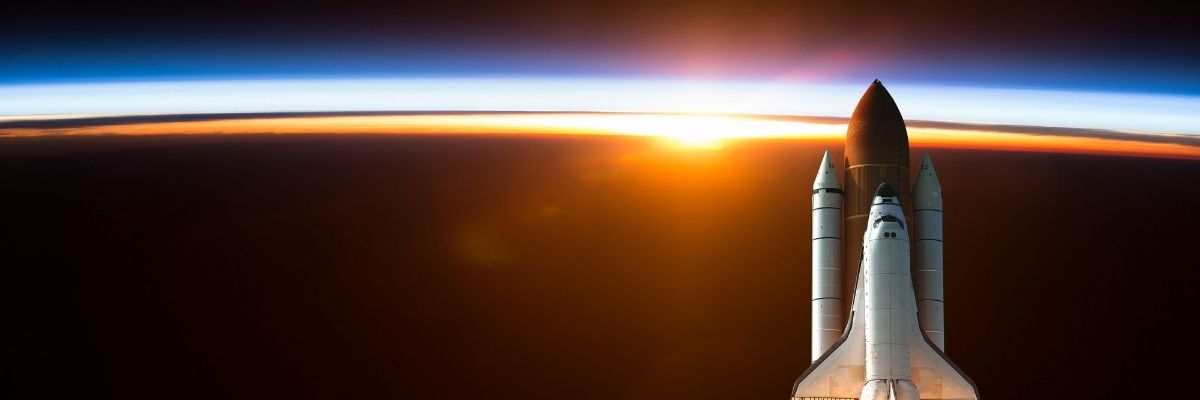
Remember the Cold War? The thrill of Sputnik? The moon landing that captivated the world? Well, get ready for an encore, because a new space race is blazing hotter than ever before. This isn’t just about national pride anymore; it’s about resources, technological dominance, and shaping the future of humanity.
What Exactly Is Space Race 2.0?
Forget the black and white rivalry of the 20th century. This new space race is a multi-player game, with governments and private companies vying for dominance in everything from lunar exploration to asteroid mining and even space tourism. It’s a complex web of ambition, innovation, and (let’s be honest) a healthy dose of competition.
Who Are the Major Players in This Cosmic Competition?
This isn’t just about the old guard. While the US, Russia, and China are still major contenders, new players are entering the arena, bringing fresh ideas and disruptive technologies. Let’s take a look at the key teams:
- The Usual Suspects (But With Upgraded Tech):
- NASA (USA): Still a powerhouse, but now focused on partnerships with private companies. Their Artemis program aims to return humans to the moon by 2025 (though delays are looking likely) and eventually establish a sustainable lunar base. They’re also looking further afield to Mars and beyond.
- Roscosmos (Russia): Facing challenges due to international sanctions and internal issues, Roscosmos is still a significant player, particularly in areas like crewed spaceflight and rocket technology. They’re focusing on lunar exploration and developing new launch vehicles.
- CNSA (China): A rapidly rising force in space, with ambitious plans for lunar exploration, including establishing a research station on the moon’s south pole. They’ve already achieved significant milestones, like landing a rover on the far side of the moon.
- The New Kids on the Block (Disrupting Everything):
- SpaceX (USA): Elon Musk’s company has revolutionized the space industry with reusable rockets, dramatically reducing the cost of access to space. They’re focused on Starship, a massive rocket designed to carry humans and cargo to the moon, Mars, and beyond.
- Blue Origin (USA): Jeff Bezos’s space company is developing reusable launch vehicles and lunar landers. While they haven’t achieved the same level of success as SpaceX, they have significant resources and long-term ambitions.
- Other Private Companies: Companies like Rocket Lab, Virgin Galactic, and Sierra Space are carving out niches in the space industry, offering services like small satellite launch, space tourism, and orbital manufacturing.
- The International Coalition (Strength in Numbers):
- The European Space Agency (ESA): A collaborative effort between European nations, ESA is involved in a wide range of space activities, from Earth observation to planetary exploration. They’re a key partner in NASA’s Artemis program.
- Other National Space Agencies: Countries like India (ISRO), Japan (JAXA), and Canada (CSA) are also playing increasingly important roles in space exploration, often collaborating with larger agencies on international missions.
Why Are We Racing to Space Again? What’s the Big Deal?
This isn’t just about bragging rights. The stakes are much higher this time around. Here’s why everyone is so eager to reach for the stars:
- Resources, Resources, Resources: Asteroids are packed with valuable resources like platinum, nickel, and rare earth elements. Mining these resources could revolutionize industries on Earth and fuel future space exploration. The moon also holds potential resources like helium-3, which could be used in future fusion reactors.
- Technological Innovation (Spinoffs Galore!): The space race drives innovation in a wide range of fields, from materials science to robotics and artificial intelligence. These innovations often have unexpected and beneficial applications here on Earth. Think of GPS, scratch-resistant lenses, and memory foam – all technologies developed for space exploration.
- National Security and Strategic Advantage: Control of space assets is crucial for national security, providing capabilities like satellite communication, navigation, and surveillance. A nation with a strong presence in space can project power and influence on Earth.
- Expanding Humanity’s Reach (The Ultimate Backup Plan?): Some believe that establishing a permanent presence on the moon or Mars is essential for the long-term survival of humanity. A catastrophic event on Earth could wipe out our species, but a self-sustaining colony on another planet could ensure our survival.
- Scientific Discovery (Unlocking the Secrets of the Universe): Space exploration allows us to study the universe in ways that are impossible from Earth. We can learn about the origins of the solar system, the formation of galaxies, and the possibility of life beyond Earth.
What Are the Key Battlegrounds in This New Space Race?
The competition is playing out in several key areas:
- Lunar Exploration (The New Frontier): The moon is the primary target, with multiple nations and companies vying to establish a permanent presence there. This includes building habitats, developing lunar rovers, and extracting resources.
- Asteroid Mining (The Gold Rush of the 21st Century): Companies are developing technologies to identify, capture, and mine asteroids for valuable resources. This is a high-risk, high-reward endeavor with the potential to generate enormous profits.
- Space Tourism (A Vacation Among the Stars): Companies like Virgin Galactic and Blue Origin are offering suborbital spaceflights to wealthy individuals. This is a nascent industry with the potential to democratize access to space in the future.
- Satellite Technology (The Eyes and Ears of the World): Satellites are essential for communication, navigation, weather forecasting, and Earth observation. The development of new satellite technologies is crucial for both commercial and military applications.
- Launch Capabilities (The Gateway to Space): Access to space is dependent on reliable and affordable launch vehicles. Companies like SpaceX are revolutionizing the launch industry with reusable rockets, making it cheaper and easier to send satellites and humans into orbit.
What Challenges Are We Facing on This Journey to the Stars?
It’s not all smooth sailing. The new space race faces several significant challenges:
- Funding (Space Ain’t Cheap): Space exploration is incredibly expensive. Securing sufficient funding from governments and private investors is a major challenge.
- Technology (Rocket Science Is Hard): Developing the technologies needed for lunar exploration, asteroid mining, and other ambitious space projects requires significant breakthroughs in areas like propulsion, robotics, and life support.
- Regulation (Who Makes the Rules in Space?): The legal framework governing space activities is still evolving. Establishing clear and consistent regulations is essential to ensure responsible and sustainable space exploration.
- Sustainability (Protecting the Space Environment): Space is becoming increasingly congested with satellites and debris. Addressing the issue of space debris and promoting sustainable space practices is crucial for the long-term health of the space environment.
- Ethical Considerations (Are We Prepared for What We Might Find?): As we explore space, we need to consider the ethical implications of our actions, including the potential for contaminating other planets with Earth-based life and the impact of resource extraction on the space environment.
So, Who Will Win Space Race 2.0?
There’s no easy answer. It’s likely that multiple players will succeed in different areas. However, the nations and companies that invest heavily in research and development, foster innovation, and collaborate effectively will be best positioned to reap the rewards of the new space race. It’s important to remember that “winning” isn’t necessarily about being first. It’s about establishing a sustainable and beneficial presence in space that benefits all of humanity.
Frequently Asked Questions
- What is the Artemis program? NASA’s Artemis program aims to return humans to the moon by 2025 and establish a sustainable lunar base for future missions to Mars.
- What is asteroid mining? Asteroid mining involves extracting valuable resources from asteroids, such as platinum, nickel, and rare earth elements.
- Is space tourism really a thing? Yes, companies like Virgin Galactic and Blue Origin are already offering suborbital spaceflights to paying customers.
- What is space debris, and why is it a problem? Space debris consists of defunct satellites and other objects orbiting Earth, posing a collision risk to operational spacecraft.
- Who owns space? No one owns space. The Outer Space Treaty of 1967 states that space is free for exploration and use by all nations.
The Takeaway: Keep Your Eyes on the Skies!
The new space race is not just a technological competition; it’s a reflection of our ambitions, our values, and our vision for the future. Pay attention to the developments in this exciting field, because the decisions we make today will shape the future of humanity in space for generations to come.