
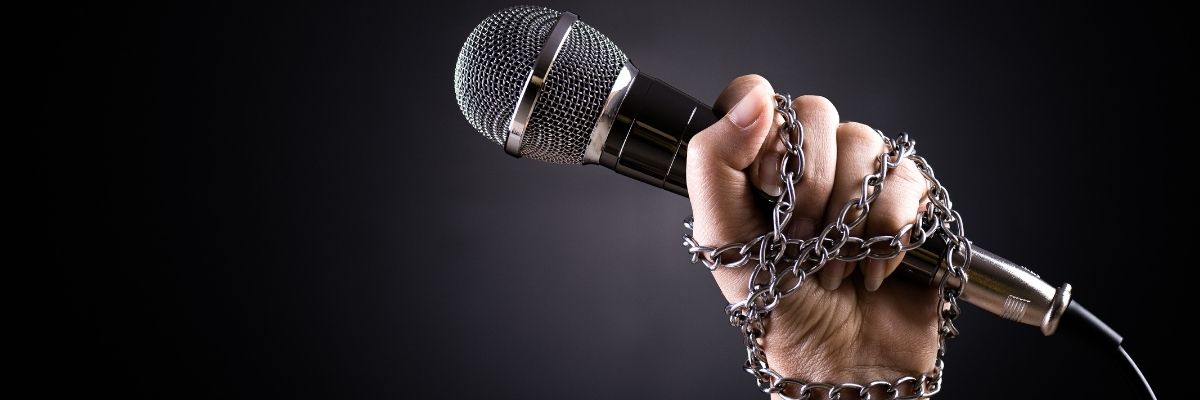
Imagine a world where you only hear one side of the story, where the government controls the news, and dissenting voices are silenced. Scary, right? That’s why a free press is the cornerstone of any thriving democracy. It’s not just about journalists; it’s about your right to know, to question, and to hold power accountable.
Okay, But What Exactly Is Press Freedom? Let’s Break It Down
Press freedom, at its core, is the right of journalists and news organizations to report information without fear of censorship, intimidation, or reprisal from the government or other powerful entities. It’s more than just the absence of direct control; it encompasses the ability to access information, protect sources, and publish freely without facing legal or economic burdens that stifle independent reporting. Think of it as the oxygen that keeps a healthy democracy breathing. Without it, things get pretty suffocating, pretty fast.
Why Should You Care About Press Freedom?
This isn’t just some abstract concept for journalists to worry about. Press freedom directly impacts your life in countless ways. Here’s how:
- Holding Power Accountable: A free press acts as a watchdog, scrutinizing government actions, exposing corruption, and ensuring transparency. When journalists can freely investigate and report on wrongdoing, it forces those in power to be more accountable to the people they serve. Without this watchdog, corruption can fester, and power can be abused unchecked.
- Informed Decision-Making: In a democracy, citizens need accurate and unbiased information to make informed decisions about who to vote for, what policies to support, and how to engage in civic life. A free press provides access to diverse perspectives and helps you understand the complexities of the issues facing your community and the world. Imagine trying to choose a candidate based solely on what they tell you – you’d only be getting one side of the story.
- Protecting Other Freedoms: Press freedom is intrinsically linked to other fundamental rights, such as freedom of speech and freedom of assembly. When the press is silenced, it creates a chilling effect that discourages dissent and limits the ability of citizens to express their opinions and participate in public discourse. It’s like a domino effect – restrict one freedom, and others start to fall.
- Giving Voice to the Marginalized: A free press can amplify the voices of marginalized communities and shed light on issues that might otherwise be ignored. It provides a platform for diverse perspectives and helps to ensure that everyone has a seat at the table. This is crucial for a truly representative and equitable society.
- Promoting Economic Development: Believe it or not, press freedom can even contribute to economic growth. Transparent governance and a level playing field, fostered by a free press, attract investment and promote sustainable development. Investors are more likely to invest in countries where they know they can trust the information they receive.
The Sneaky Ways Press Freedom Gets Attacked
It’s not always as obvious as a government official shutting down a newspaper. Press freedom faces a range of threats, both overt and subtle:
- Censorship: This is the most direct form of attack, where the government or other powerful entities directly control what information is published or broadcast. This can involve banning certain topics, requiring pre-publication review, or simply shutting down media outlets.
- Intimidation and Violence: Journalists are increasingly facing threats, harassment, and even violence for their work. This can create a climate of fear that discourages investigative reporting and self-censorship.
- Legal Restrictions: Laws that criminalize defamation, restrict access to information, or impose excessive financial burdens on media organizations can be used to stifle independent reporting.
- Economic Pressure: Governments or powerful corporations can use their economic leverage to influence media coverage, such as by withholding advertising revenue or denying access to resources.
- Disinformation and Propaganda: The spread of disinformation and propaganda can undermine public trust in legitimate journalism and create confusion about what is true and what is false. This is often a deliberate strategy to discredit the press and erode its credibility.
- Surveillance: Journalists are increasingly being subjected to surveillance by governments and other actors, which can chill their ability to protect sources and report on sensitive topics.
- SLAPP Suits (Strategic Lawsuits Against Public Participation): These are lawsuits filed against journalists or activists with the primary goal of silencing them through intimidation and the cost of legal defense, rather than winning the case.
So, What Can You Do to Protect Press Freedom?
Protecting press freedom is a collective responsibility. Here are some concrete steps you can take:
- Support Independent Journalism: Subscribe to reputable news organizations that are committed to independent reporting. This provides them with the financial resources they need to do their work.
- Be a Critical Consumer of Information: Don’t just blindly accept everything you read or see online. Verify information from multiple sources and be wary of disinformation and propaganda.
- Speak Out Against Censorship and Intimidation: When you see journalists being attacked or silenced, speak out against it. Write letters to your elected officials, participate in protests, and use social media to raise awareness.
- Support Organizations That Defend Press Freedom: There are many organizations working to protect press freedom around the world. Donate to these organizations or volunteer your time to support their work.
- Promote Media Literacy: Help others understand the importance of press freedom and how to critically evaluate information. Share articles, participate in discussions, and educate your friends and family.
- Hold Social Media Platforms Accountable: Encourage social media platforms to take steps to combat disinformation and protect journalists from online harassment and abuse.
Frequently Asked Questions
- What’s the difference between free speech and press freedom? Free speech is a broader right applicable to everyone. Press freedom specifically protects journalists’ ability to gather and report information without interference.
- Does press freedom mean journalists can say anything they want? No. Journalists are still subject to laws regarding defamation, libel, and incitement to violence.
- Why should I trust the media when they seem so biased? No media outlet is perfectly unbiased. Seek out diverse sources and critically evaluate information to form your own informed opinions.
- Isn’t some information too sensitive for the public to know? There are legitimate reasons for secrecy in certain circumstances (e.g., national security), but these should be narrowly defined and subject to public oversight.
- How does press freedom affect me if I’m not a journalist? A free press is crucial for holding power accountable, ensuring informed decision-making, and protecting other fundamental rights that directly impact your life.
Wrapping Up: Your Voice Matters, and So Does a Free Press
Press freedom isn’t just a nice-to-have; it’s a fundamental pillar of democracy that protects your rights and freedoms. By supporting independent journalism, being a critical consumer of information, and speaking out against censorship, you can play a vital role in safeguarding this essential freedom for generations to come.