
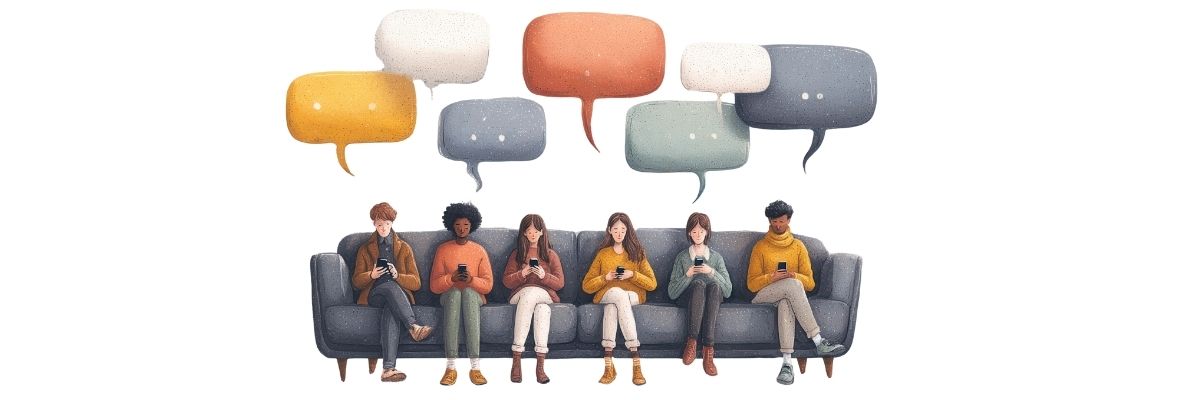
Ever feel like birthday cards have been replaced by Facebook wall posts, or that catching up with friends now means scrolling through their Instagram stories? You’re not alone. Social media, with its pervasive reach and instant gratification, is fundamentally reshaping how we connect, celebrate, and even grieve, often at the expense of time-honored social rituals.
Remember Real Life? How Social Media Has Changed the Game
Let’s be honest, social media is powerful. It connects us to people across the globe, provides instant news updates, and offers a platform for self-expression. But this convenience comes at a cost. The digital world, with its curated profiles and fleeting interactions, is subtly eroding the importance of real-life, face-to-face social rituals that have defined human connection for centuries.
Think about it: weddings, funerals, birthday parties, even casual coffee dates. These rituals aren’t just about the event itself; they’re about the shared experience, the unspoken understanding, and the physical presence that fosters genuine connection. Social media offers a simulacrum of these experiences, but it often falls short of providing the emotional depth and authenticity that real-life interactions offer.
From Birthday Cards to Facebook Walls: How Celebrations Have Changed
Remember the joy of receiving a handwritten birthday card? The carefully chosen words, the personal touch, the feeling that someone took the time and effort to think of you? Now, many birthdays are celebrated with a generic “Happy Birthday!” post on Facebook, often accompanied by a flurry of similar, impersonal greetings.
While these digital well-wishes are appreciated, they lack the depth and sincerity of a physical card. They’re quick, convenient, and easily forgotten. The ritual of writing, sending, and receiving a card, a tangible expression of care and affection, has been largely replaced by a fleeting digital notification.
The same applies to other celebrations. Weddings, once private affairs shared with close family and friends, are now often broadcast live on social media. While sharing your joy is wonderful, the focus can shift from the intimate connection between the couple to the performance of the celebration for an online audience. This can lead to a pressure to create picture-perfect moments, potentially detracting from the genuine emotions and experiences of the day.
Mourning in the Digital Age: Is It Really Enough?
Grief is a deeply personal and complex emotion. Traditionally, funerals and wakes provided a space for communal mourning, allowing family and friends to come together, share memories, and support one another in their loss.
Social media has introduced a new dimension to mourning. Online memorial pages, crowdfunding campaigns for funeral expenses, and virtual memorial services are becoming increasingly common. While these platforms can be helpful for connecting with others who are grieving and providing financial support, they can also fall short of providing the emotional solace and closure that real-life mourning rituals offer.
The act of physically gathering with loved ones, sharing stories, and offering condolences provides a tangible sense of community and support. The virtual world, while convenient, can sometimes feel isolating and impersonal, lacking the physical touch and emotional resonance that are crucial for processing grief.
Catching Up Over Coffee… or Just Liking Their Posts?
One of the most subtle, yet significant, ways social media replaces traditional rituals is in the realm of everyday socializing. Remember the days of calling a friend to catch up, grabbing coffee to chat, or simply dropping by for a visit?
Now, it’s easy to feel like you’re staying connected to friends and family simply by liking their posts, commenting on their photos, or watching their stories. But these digital interactions, while convenient, often lack the depth and intimacy of real-life conversations.
A quick “like” on a photo doesn’t replace a genuine conversation about someone’s life. Scrolling through someone’s Instagram stories doesn’t provide the same level of understanding and connection as hearing their voice and seeing their expressions in person. We’re sacrificing the quality of our connections for the convenience of digital interactions.
FOMO and the Pressure to Perform: The Dark Side of Social Media Rituals
Social media also creates new, often unhealthy, social rituals. The fear of missing out (FOMO) drives us to constantly check our feeds, compare ourselves to others, and feel anxious about not being included.
The pressure to present a perfect image online can also lead to performance anxiety. We meticulously curate our profiles, carefully selecting photos and crafting posts to project a desired image. This can create a disconnect between our online persona and our real selves, leading to feelings of inadequacy and isolation.
These new “rituals” are driven by algorithms and social validation, rather than genuine human connection. They contribute to a culture of comparison, competition, and superficiality, further eroding the importance of authentic social interactions.
Reclaiming Real Life: Tips for Balancing Digital and Analog Connections
So, how can we reclaim the importance of real-life social rituals in the age of social media? It’s about finding a balance between the convenience of digital connections and the depth of real-life interactions. Here are a few tips:
- Schedule regular face-to-face time with loved ones: Make a conscious effort to prioritize real-life interactions over digital ones. Schedule regular coffee dates, dinners, or activities with friends and family.
- Put your phone away during social gatherings: Resist the urge to constantly check your phone when you’re with others. Be present in the moment and focus on the conversation.
- Limit your social media consumption: Set boundaries for your social media usage. Designate specific times for checking your feeds and avoid scrolling mindlessly for hours.
- Be mindful of your online presence: Be aware of the pressure to perform online and resist the urge to compare yourself to others. Focus on authenticity and genuine connection.
- Revive traditional rituals: Bring back the joy of handwritten cards, phone calls, and small acts of kindness. These gestures can make a big difference in fostering genuine connection.
- Create new real-life rituals: Start your own traditions with friends and family. This could be anything from weekly game nights to annual camping trips.
Frequently Asked Questions
Q: Is social media inherently bad?
No, social media has many benefits, including connecting people and facilitating communication. The key is to use it mindfully and avoid letting it replace real-life interactions.
Q: How can I stay connected with friends who live far away without relying solely on social media?
Consider scheduling regular video calls, writing letters, or planning occasional visits. These methods offer more personal and meaningful connections.
Q: What if I’m too busy to meet up with people in person?
Even small gestures like a thoughtful text message, a quick phone call, or a handwritten note can make a big difference in maintaining relationships.
Q: How can I deal with FOMO?
Remind yourself that social media often presents a curated version of reality. Focus on your own life and experiences, and practice gratitude for what you have.
Q: What if my friends only communicate through social media?
Try initiating real-life interactions by suggesting activities or inviting them to join you for coffee. Lead by example and encourage them to prioritize in-person connections.
Finding the Sweet Spot: A Final Thought
Social media can be a powerful tool for connection, but it shouldn’t come at the expense of real-life social rituals. By being mindful of our digital habits and prioritizing authentic interactions, we can reclaim the importance of face-to-face connections and cultivate more meaningful relationships. Make a conscious effort to balance your digital and analog lives – your relationships will thank you.